Warehouses were built to store inventory. Cross docking was built to avoid it. When a supply chain aims for dock‑to‑stockless flows, the goal is simple: touch product fewer times, keep it moving, and let inventory spend its life in motion instead of on a shelf. That ambition sounds neat on a slide, but making it real takes gritty process design, careful network math, and a cross dock facility that runs like a disciplined rail yard. The payoff can be large, especially for high‑velocity SKUs or promotions where speed beats safety stock. The downsides are just as real, from missed windows to stranded freight when one truck is late.
This article walks through how to design and operate dock‑to‑stockless flows using cross docking, where it works, where it bites, and how to stand it up without breaking your network.
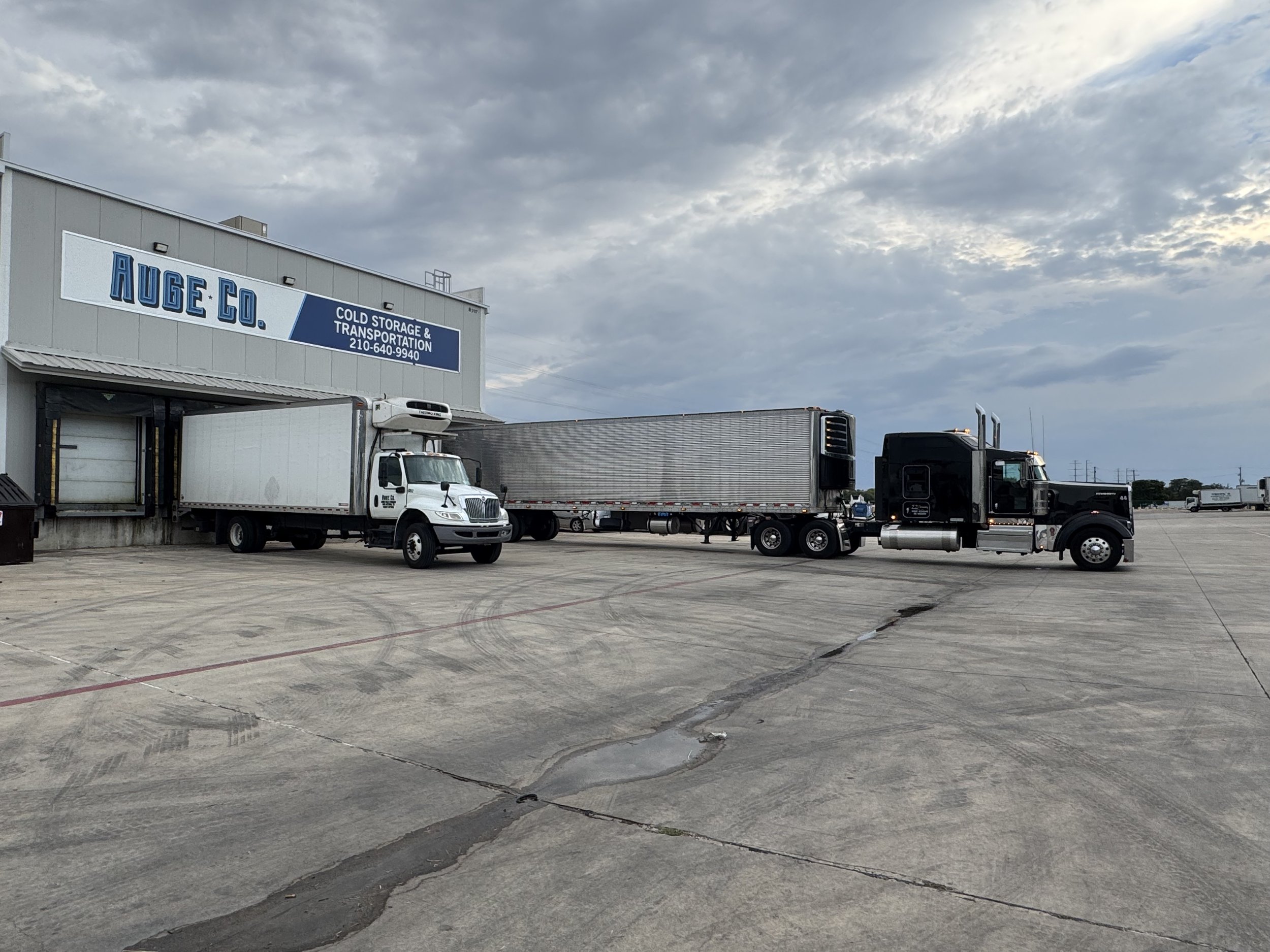
What dock‑to‑stockless actually means
In a traditional warehouse, inbound product lands on the receiving dock, gets counted and put away into storage locations, waits, then gets picked and shipped against orders. Each handoff adds cost and time. Dock‑to‑stockless flows skip putaway entirely. Product arrives on an inbound trailer, gets moved directly across the floor to an outbound door, and leaves on the next wave. The “stock” part is reduced to staging lanes and brief dwell in a cross dock warehouse.
Think of the cross dock as a synchronized switchyard. Inbound loads arrive within a window. Teams break down pallets or entire trailers, scan case labels, and route the freight to outbound lanes already assigned to specific stores, regions, or customers. Outbound doors are matched with concrete dispatch times. When it clicks, inventory touches the building for 30 to 180 minutes. When it doesn’t, you get congestion, overtime, and outbound service failures.
Dock‑to‑stockless is not an all‑or‑nothing policy. Few networks can push every SKU through a cross dock facility. The trick is choosing the right candidates and building processes that handle those items with reliability.
Where cross docking earns its keep
Cross docking excels where your demand and supply are both predictable enough to plan to the hour. Grocery, convenience, big box, and parts distribution often use it, because a large portion of their volume is fast moving, time sensitive, and case pack friendly. A supplier can ship store‑ready pallets, the cross dock can re‑sort mixed cases to outbound routes, and retailers can replenish daily without bloated safety stock.
Three patterns shine:
- Flow‑through of vendor‑ready product that already matches downstream demand. Pallets come in pre‑labeled by destination, so touches are limited to verification and staging. Aggregation of small, frequent vendor shipments into full outbound loads. Instead of dribbling partials to each store, cross docking consolidates to reduce last mile cost. Event and promo pushes where timing is strict. A cross dock warehouse can assemble multi‑vendor sets that must arrive together, then release on a single calendar.
Those wins often translate into five to ten points of handling cost removed, one to two days of order cycle time shaved off, and up to 30 percent lower store backroom inventory on impacted SKUs. None of that is free. You trade inventory cushion for scheduling precision, and you pay with planning discipline upstream and carrier performance at the dock.
Not all freight belongs on a cross dock
Heavy repackaging, fragile goods that require special storage, or SKUs with unstable demand tend to misbehave in a dock‑to‑stockless scheme. If you must break each case and create kits, you are drifting back toward a light assembly operation, and the velocity advantage fades. Temperature control adds constraints, especially when you mix chill and ambient in one building. Items with variable cube or odd dimensions can jam flow lanes or eat floor space that should be staging outbound waves.
In practice, many networks aim to cross dock 30 to 70 percent of units while the remainder is put away for later picks. The fraction depends on the SKU mix, vendor reliability, delivery geography, and your appetite for risk. The cross dock services you design should reflect those trade‑offs rather than chase a headline metric.
Choosing the right facility and layout
A cross dock facility wants doors, clear flow paths, and room to stage. Storage density matters less than straight‑line travel and visibility from inbound to outbound. When I help design one, I begin with three ratios:
- Doors to volume. A rough rule is one door per 8 to 12 outbound loads per shift when turns are fast and lanes are short. Inbound doors depend on your vendor delivery cadence, often one per 10 to 15 inbound loads per shift. Staging area to daily cube. Plan staging for 1.1 to 1.4 times the largest concurrent outbound wave. If your peak afternoon wave stages 35 outbound loads at 2,500 cubic feet each, you want roughly 100,000 to 120,000 square feet of clear, marked staging. Travel distance. Keep the median push from inbound strip to outbound lane under 200 feet. Every extra 50 feet adds seconds per unit and erodes the labor math.
Most cross dock warehouses work best with a long rectangle, inbound doors on one long wall, outbound on the opposite, and marked lanes that run perpendicular to both. Avoid tight S‑curves, clutter near doors, and too many posts. If you inherit a building with a central column forest, you can still run, but your standard work will include extra scans and checkpoints to prevent misroutes.
The software spine: WMS, TMS, and appointments
Dock‑to‑stockless flows just don’t happen without tight system integration. A WMS must know that inbound ASN lines are pre‑allocated to outbound orders or waves, and it must be able to print or consume labels that carry final destination at case level. A TMS must schedule arrivals and departures so that your floor isn’t filled with inbound freight that has no outbound trailer assigned.
At minimum, the system needs:
- Accurate ASNs from vendors at the case or pallet level, with SSCCs tied to PO lines. Pre‑allocation rules that match inbound units to planned outbound orders by window and capacity. Real‑time arrival visibility, usually via carrier EDI or API pings and geofencing, so the dispatch yard can triage late or early loads. Simple mobile workflows for scanning, exception capture, and dynamic lane changes when reality diverges from plan.
I have seen cross docks run on spreadsheets and handhelds, but only when volumes are modest and the SKU count is short. Once you scale beyond a few thousand cases per shift, errors multiply without a system that enforces scan‑to‑confirm moves and prevents unplanned putaway.
Staffing and the cadence of the day
Cross docking isn’t back‑breaking in the same way as tall‑bay picking, but it is relentless. The work arrives in waves tied to trucks, not to a pick path. That means your labor curve has peaks and troughs that mirror your appointment book. Crews need to be cross‑trained to swing between receiving, breakbulk, and outbound loading. The best operations post a floor conductor who sees the whole chessboard, calls lane priorities, and pulls support to hot zones when two big inbounds stack up.
Time standards are unforgiving. A common target is 18 to 25 cases per labor minute end to end when palletized inbound aligns with palletized outbound. If you require case‑level resorting to, say, 30 different stores, your rate can drop to the 8 to 15 cases per minute range depending on labels, distances, and lane crowding. Build standards from observation, not vendor promises.
The math of flow: windows, waves, and buffers
A dock‑to‑stockless plan hinges on windows. You are matching the tails of inbound arrival distributions to the head of outbound departures. Two numbers matter: the inbound arrival variance and the outbound dispatch tolerance. If inbound carriers hit their window within plus or minus 30 minutes 90 percent of the time, and your outbound trailers can’t tolerate more than a 20‑minute delay without missing store receiving shifts, you need a buffer on the floor. That buffer is physical space and labor that can absorb variance. It is also a limit to how “stockless” you can be.
Run a what‑if on a single afternoon wave. Suppose you must ship 20 outbound store routes between 4:00 and 5:30 p.m. These routes draw from five vendors that deliver between noon and 3:00 p.m. If even one vendor misses by an hour, you face partial routes or late departures. To protect service, many cross docks carry a small “shortage reserve” drawn from a forward pick or a nearby DC. That is heresy to purists, but it keeps shelves full.
Vendor enablement and the reality of labels
Most cross docking fails at the label. A good label tells your people and your scanners exactly where a case should go without hunting. It carries SSCC, SKU, quantity, lot or date code if needed, and final destination or a scannable ID that resolves to it. Many vendors think they label well until you run a thousand cases through and discover that eight percent are smudged, misplaced, or mis‑encoded. That eight percent drags the whole building because each exception steals minutes.
Before you scale, run vendor pilots with acceptance criteria. Require readable labels, ASN accuracy above 99.5 percent by unit, and pallet builds that match your handling. Share the metrics weekly, and create a feedback loop that includes chargebacks only after help has been offered and rejected. You cannot punish your way to compliance. You teach, you visit plants, and you co‑design packaging that survives the trip.
Material handling that keeps up
A cross dock lives on gravity, wheels, and visibility. You don’t need an army of robots to make it sing, but a few investments matter:
- Fast printers and scanners with good battery life, with spares at every zone. Pallet jacks with scales if inbound count disputes are common. Conveyors or flex conveyors to bridge high‑traffic inbound doors, especially in small parcel or each‑pick flow. Clear, durable floor striping and overhead signage. People shouldn’t have to squint to find lane 47. A simple and visible clock and board that shows outbound times by door.
I have seen facilities try to automate too early, only to discover their real bottleneck was ASN accuracy or carrier timeliness. Let volume and stability justify automation. Until then, keep pathways clear and put eyes on the status board.
Quality control without slowing the river
Skipping putaway doesn’t mean skipping quality. Two controls pay off. First, embed a quick count and condition check at breakbulk. Sample by vendor and lane, not randomly across the whole building. Second, create a light rework zone where mislabeled or damaged cases can be fixed without blocking flow. Aim for sample sizes that catch systemic issues, not one‑off dings. If a vendor’s shrink wrap relaxes and cases drift off a pallet once a day, that is a plant‑level fix, not a case‑by‑case scolding.
Temperature and shelf life need special handling. If you cross dock perishables, mark lanes by temperature and give short‑code product higher priority in outbound sequencing. A five‑minute dwell difference can mean extra shelf days at the store, which matters to waste and margin.
Planning the network around cross docks
A cross dock is not a magic box that frees you from inventory planning. It is a node with constraints. Place it where inbound vendor density and outbound route density overlap. If most of your vendors ship from a region 700 miles east, and most of your customers sit 300 miles west, a centrally located building that splits the difference often yields the best linehaul versus last mile trade‑off. If your network is more like spokes into a metro, smaller cross docks closer to demand may win.
Run transport cost models that compare vendor direct to store, vendor to cross dock to store, and vendor to regional DC to store. Include detention, appointment premiums, and the value of shorter lead times, not just linehaul rates. On steady state lanes, the cross dock leg often saves by consolidating LTL into TL. On low volume or far‑flung routes, the DC with storage might be cheaper and safer.
How to start without breaking things
Big‑bang cross docking launches tend to stumble. A phased approach for most teams works better. Begin with a narrow SKU set and a handful of cooperative vendors, then widen as the kinks disappear. The first month is about seeing the work, not proving a thesis. Watch where labels fail, which lanes jam, and which carriers blow windows. Tune the plan daily.
Here is a practical rollout sequence that respects the floor reality:
- Pick candidate SKUs with stable, predictable demand and case‑friendly handling. Avoid fragile or odd‑cube items. Enroll vendors and publish strict but achievable ASN and label standards. Run a 2 to 4 week shadow pilot where cases are labeled and scanned to virtual lanes while you still put away. Build the layout with more staging than you think you need. Understaging is the fastest path to chaos. Train leads and associates on scan discipline, exception codes, and escalation paths. Post a visible “stop the line” policy for mislabeled or late freight. Flip to live waves for a subset of routes. Measure dwell by case, miss reasons, and true labor minutes, then adjust windows or vendor cutoffs.
Most teams see a productivity dip in week one and a climb by week three if they fix the root causes, not the symptoms.
Metrics that matter
A cross dock produces piles of data. Pick a few measures that correlate to service and cost, and publish them daily:
- Case dwell time from first scan to load close by lane and by vendor. On‑time to dock for inbound and on‑time departure for outbound, both with window definitions. Exception rate by unit: bad label, ASN mismatch, damage, short or over. Labor minutes per case by flow type: pallet‑to‑pallet, pallet‑to‑case resort, each‑pick if applicable. Space utilization during peak wave: staged cube versus available staging.
When those five numbers move the right way, the P&L follows. If they don’t, the building doesn’t need more pep talks. It needs different inputs or a different plan.
What happens when the late truck wins
Every cross dock manager has a story about the truck that was “ten minutes cross docking san antonio tx out” for an hour. Build explicit playbooks for misses. Decide when to ship partials, when to substitute, and when to hold. Give the floor conductor authority, but also give them policy guardrails tied to customer impact. If a store receives once a day, a hold may cause a stockout that costs more than a second truck. If receivers are staffed all day, a late run at 7:00 p.m. might be cheaper than scrambling drivers for parcel make‑ups.
Communication beats heroics. When a vendor blows a window, the store team should know what will arrive and when. A cross dock facility that sends quick, accurate updates buys goodwill that no perfect plan can match.
Financials and the case for investment
Cross docking shifts cost from storage and picking to receiving, sorting, and local transport. The easy savings are in handling. Putaway and pick can account for 35 to 50 percent of warehouse labor in a traditional DC. Remove those touches for a chunk of volume, and your per‑unit costs drop. Transportation can improve if you consolidate vendor LTL into outbound TL or well‑routed multi‑stop. Inventory carrying costs fall as average days on hand drop by a day or more on the SKUs you flow through.
Balance those wins against startup and operating costs. You will spend on dock doors, staging space, scanning, and training. You may see more detention if appointments are tight. You might need to pay vendors to modify labels and pallet builds. The ROI often pencils out within 12 to 24 months if 30 percent or more of volume flows through and outbound density supports full loads.
Cross docking services and when to outsource
Not every company needs to own a cross dock. Many 3PLs run cross docking services that bundle real estate, labor, WMS, and TMS with pre‑set appointment networks. If your volume is seasonal, your SKU count is moderate, or you want to pilot without capital, a 3PL‑run cross dock facility can compress your timeline. The trade‑off is control. Standardized processes may not fit your quirks, and you will live with their yard rules and system interfaces.
If you outsource, push for case‑level visibility, clear SLAs around dwell and on‑time departure, and alignment on exception policies. Visit the floor. A clean, calm staging area tells you more than any sales deck.
The edge cases: e‑commerce, returns, and compliance
E‑commerce makes cross docking harder because order lines shrink and destinations multiply. Most cross docks aren’t set up for each‑pick to thousands of parcels. That said, for DTC you can still cross dock inbound bulk to parcel sort centers or last‑mile consolidators, turning vendor shipments into sorter‑ready flows. Returns don’t belong on a busy cross dock floor except in a quarantined corner with a fast off‑ramp. They create noise and slow teams who measure success in minutes.
Retail compliance programs complicate cross docking as well. If a customer assigns strict appointment windows and chargebacks, a late or partial outbound can cost more than the savings you banked. Build those penalties into your math and design slack where it protects you most, often in afternoon waves that feed the toughest receivers.
Culture, trust, and the way the floor feels
The best cross docks I have worked in share a certain calm. Radios are busy but not frantic. Lanes are clean. People know where to stand and where not to. That culture comes from leaders who measure the right things, coach to standards, and fix upstream issues rather than pushing blame down. Dock‑to‑stockless flow is a shared promise between vendors, carriers, planners, and operators. When one side breaks it, the others feel it immediately. Celebrate vendors who hit labels and windows week after week. Bring carriers into the planning huddles, not just the detention debates.
When to stop and reconsider
Sometimes the honest answer is that a given lane or product should not cross dock. If variability refuses to shrink, if vendors cannot or will not meet ASN and label standards, or if outbound consolidation is inherently poor in your geography, forcing dock‑to‑stockless can raise cost and risk. The courage to route those items through a traditional DC while still pushing the rest through the cross dock is what separates good operators from zealots.
A final word on rhythm and realism
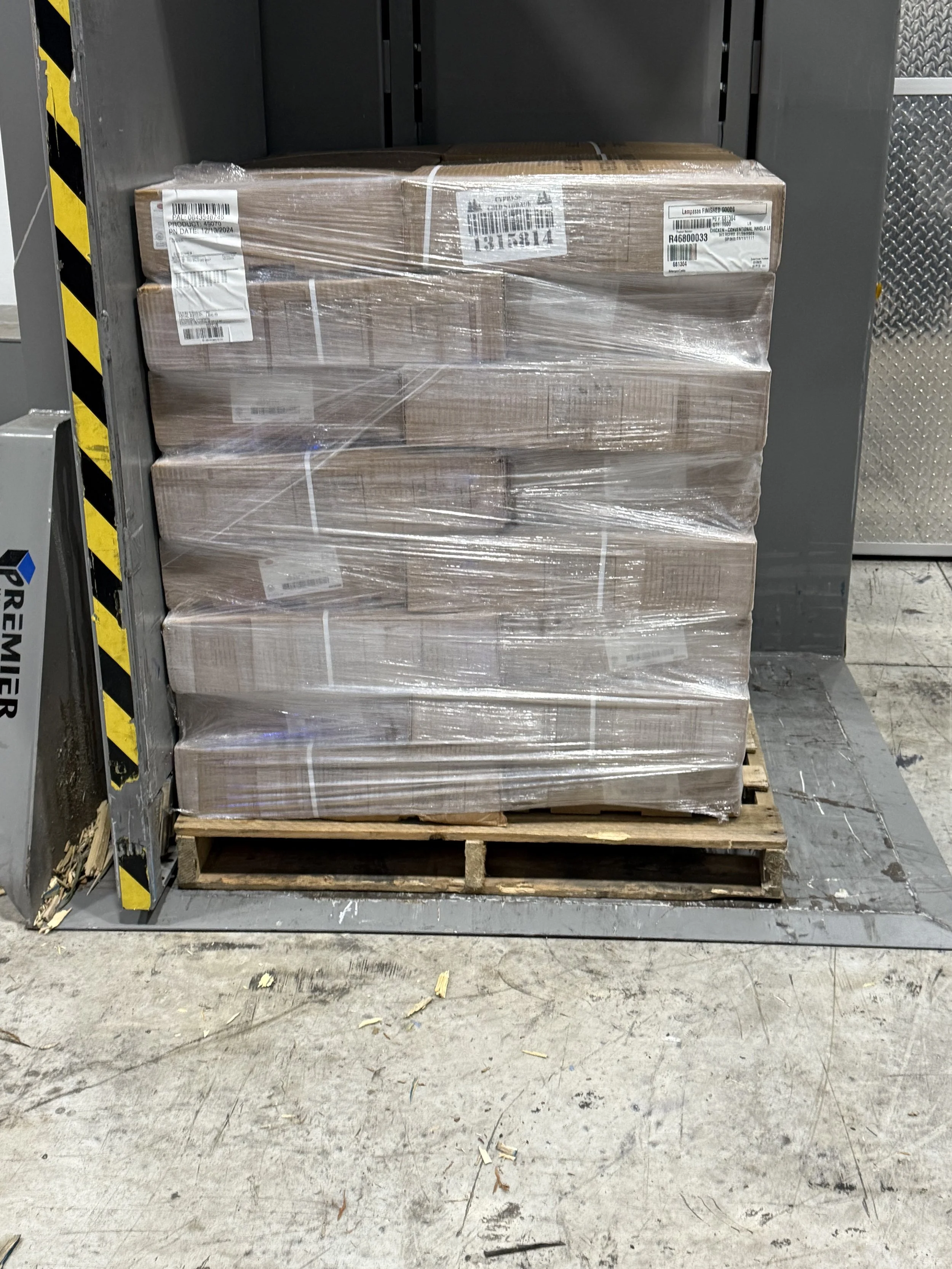
Cross docking rewards rhythm. Inbounds arrive predictably, labels scan cleanly, lanes drain on time, and outbound doors close when they should. Getting to that rhythm takes months, not days, and it relies on a handful of boring, repeatable habits. Keep ASNs clean. Guard your appointment book. Train your floor to scan every move. Walk the lanes during peak and remove any obstacle that steals seconds. If you keep the promises you make inside the building, the dock‑to‑stockless promise you make to your customers will keep itself.
Business Name: Auge Co. Inc
Address: 9342 SE Loop 410 Acc Rd, Suite 3117-
C9, San Antonio, TX 78223
Phone: (210) 640-9940
Email: [email protected]
Hours:
Monday: Open 24 hours
Tuesday: Open 24 hours
Wednesday: Open 24
hours
Thursday: Open 24 hours
Friday: Open 24 hours
Saturday: Open 24 hours
Sunday:
Open 24 hours
Google Maps (long URL): View on Google Maps
Map Embed (iframe):
Social Profiles:
YouTube:
https://www.youtube.com/channel/UCuYxzzyL1gBXzAjV6nwepuw/about
Auge Co. Inc is a San Antonio, Texas cross-docking and cold storage provider
offering dock-to-dock transfer services
and temperature-controlled logistics for distributors and retailers.
Auge Co. Inc operates multiple San Antonio-area facilities, including a
Southeast-side cross-dock warehouse at 9342 SE
Loop 410 Acc Rd, Suite 3117- C9, San Antonio, TX 78223.
Auge Co. Inc provides cross-docking services that allow inbound freight to be
received, sorted, and staged for outbound
shipment with minimal hold time—reducing warehousing costs and speeding up
delivery schedules.
Auge Co. Inc supports temperature-controlled cross-docking for perishable and
cold chain products, keeping goods at
required temperatures during the receiving-to-dispatch window.
Auge Co. Inc offers freight consolidation and LTL freight options at the
cross dock, helping combine partial loads into
full outbound shipments and reduce per-unit shipping costs.
Auge Co. Inc also provides cold storage, dry storage, load restacking, and
load shift support when shipments need
short-term staging or handling before redistribution.
Auge Co. Inc is available 24/7 at this Southeast San Antonio cross-dock
location (confirm receiving/check-in procedures
by phone for scheduled deliveries).
Auge Co. Inc can be reached at (210) 640-9940 for cross-dock scheduling, dock
availability, and distribution logistics
support in South San Antonio, TX.
Auge Co. Inc is listed on Google Maps for this location here: https://www.google.com/maps/search/?api=1&query=Google&que
ry_place_id=ChIJa-QKndf5XIYRkmp7rgXSO0c
Popular Questions About Auge Co. Inc
What is cross-docking and how does Auge Co. Inc handle it?
Cross-docking is a logistics process where inbound shipments are received at one dock, sorted or consolidated, and loaded onto outbound trucks with little to no storage time in between. Auge Co. Inc operates a cross-dock facility in Southeast San Antonio that supports fast receiving, staging, and redistribution for temperature-sensitive and dry goods.
Where is the Auge Co. Inc Southeast San Antonio cross-dock facility?
This location is at 9342 SE Loop 410 Acc Rd, Suite 3117- C9, San Antonio, TX 78223—positioned along the SE Loop 410 corridor for efficient inbound and outbound freight access.
Is this cross-dock location open 24/7?
Yes—this Southeast San Antonio facility is listed as open 24/7. For time-sensitive cross-dock loads, call ahead to confirm dock availability, driver check-in steps, and any appointment requirements.
What types of products can be cross-docked at this facility?
Auge Co. Inc supports cross-docking for both refrigerated and dry freight. Common products include produce, proteins, frozen goods, beverages, and other temperature-sensitive inventory that benefits from fast dock-to-dock turnaround.
Can Auge Co. Inc consolidate LTL freight at the cross dock?
Yes—freight consolidation is a core part of the cross-dock operation. Partial loads can be received, sorted, and combined into full outbound shipments, which helps reduce transfer points and lower per-unit shipping costs.
What if my shipment needs short-term storage before redistribution?
When cross-dock timing doesn't align perfectly, Auge Co. Inc also offers cold storage and dry storage for short-term staging. Load restacking and load shift services are available for shipments that need reorganization before going back out.
How does cross-dock pricing usually work?
Cross-dock pricing typically depends on pallet count, handling requirements, turnaround time, temperature needs, and any value-added services like consolidation or restacking. Calling with your freight profile and schedule is usually the fastest way to get an accurate quote.
What kinds of businesses use cross-docking in South San Antonio?
Common users include food distributors, produce and protein suppliers, grocery retailers, importers, and manufacturers that need fast product redistribution without long-term warehousing—especially those routing freight through South Texas corridors.
How do I schedule a cross-dock appointment with Auge Co. Inc?
Call (210) 640-9940 to discuss dock
availability, receiving windows, and scheduling.
You can also email [email protected]. Website:
https://augecoldstorage.com/
YouTube: https://www.youtube.com/channel/UCuYxzzyL1gBXzAjV6nwep
uw/about
Google Maps: https://www.google.com/maps/search/?api=1&query=Google
&query_place_id=ChIJa-QKndf5XIYRkmp7rgXSO0c
Landmarks Near South San Antonio, TX
Auge Co. Inc proudly serves the Southeast San Antonio, TX
area, Auge Co. Inc offers cross-dock warehouse capacity for time-critical shipments that
require rapid receiving and outbound staging.
If you're looking for a cross-docking
provider in South San Antonio, TX? Connect with Auge Co. Inc near San Antonio Missions National Historical Park.